On the occasion of World Cancer Day (February 4), the National Institute for Cancer Research highlights the importance of genomic data for both prevention and targeted treatment. The CzechGenome project is creating the first open reference database of genetic variants in the Czech population, helping to refine the interpretation of hereditary risks, including those related to cancer.
Cancer is among the most common non-communicable diseases of today, arising from a complex interplay of multiple factors. The majority of cancers develop as a result of DNA mutations acquired over a person’s lifetime or from random genetic changes occurring during early development before birth. Globally, inherited genetic predispositions passed down through generations are estimated to account for approximately 5–10% of all cancer cases. Preliminary results from the CzechGenome project confirm that the hereditary cancer burden in the Czech population does not deviate from these estimates.
“We know that a proportion of cancers arise due to genetic changes present from birth, and in adults the proportion of hereditary genetically determined cancers may be slightly higher. In the case of hematological and pediatric malignancies, we are finding that heredity also plays a role, though not to the same extent as in solid tumors. From a treatment perspective, genomics significantly helps us to better target both therapy and prevention, thereby increasing their effectiveness,” says Marek Svoboda, Director of the Masaryk Memorial Cancer Institute in Brno, a member of the consortium of the National Institute for Cancer Research (NICR).
The genome of the Czech—and more broadly Slavic—population has so far been only sparsely represented in international databases. This has complicated the interpretation of certain genetic variants and, consequently, the assessment of true cancer risk in Czech patients. For this reason, the CzechGenome project was initiated by a team of scientists from the Institute of Molecular and Translational Medicine, Faculty of Medicine, Palacký University and University Hospital Olomouc (IMTM), led by its Director Marián Hajdúch, who also serves as Medical Director of NICR. As part of the project, among other activities, the first thousand whole-genome samples from the Czech population have been analyzed.
What the Preliminary Results of CzechGenome Show
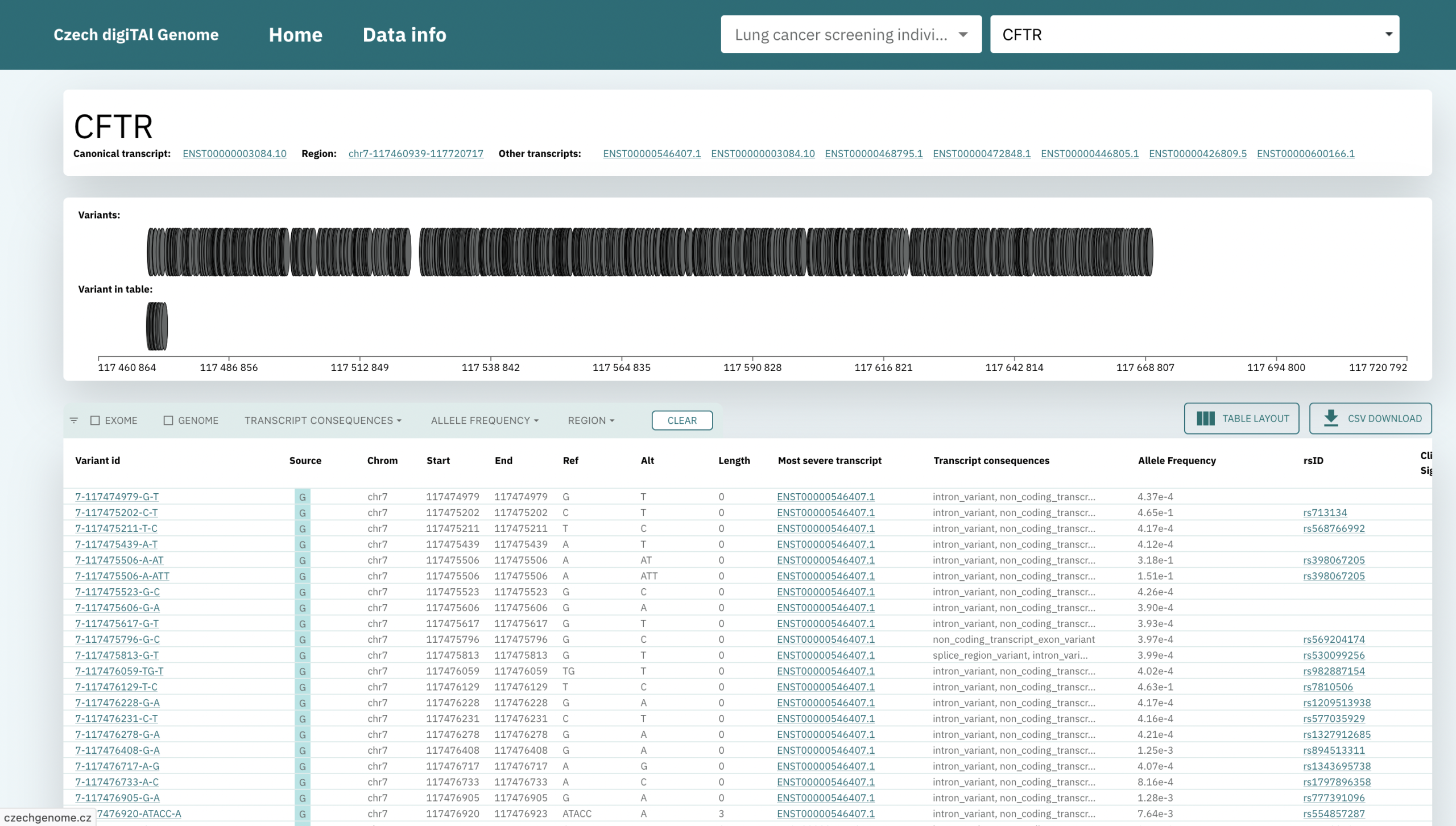
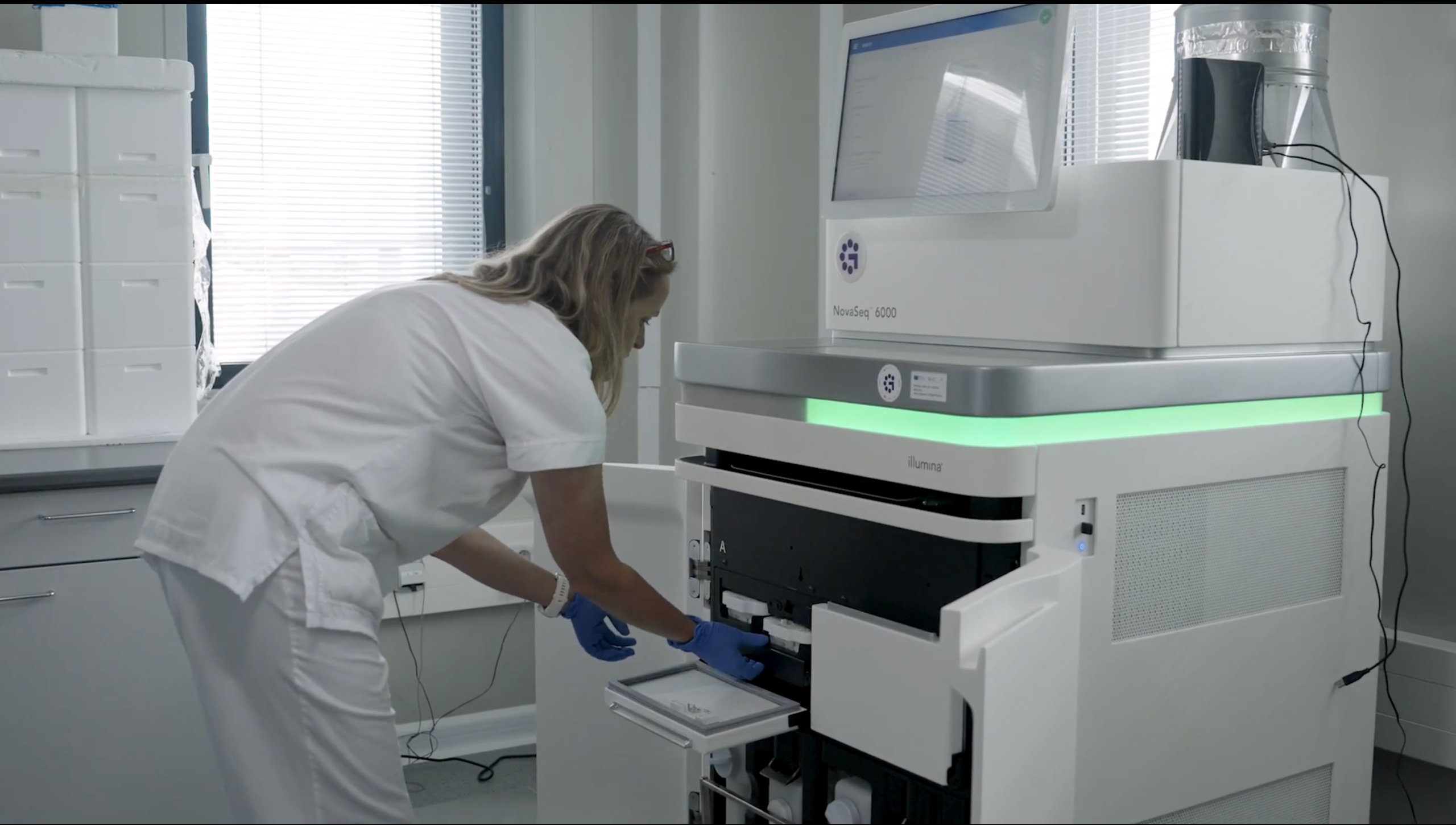
In IMTM laboratories, more than 3,000 genomes of healthy Czech volunteers have been analyzed using whole genome sequencing within research—not diagnostic—protocols. From more than 2,000 fully sequenced genomes, a freely accessible reference database of Czech genomic variants has been created and is available at www.czechgenome.cz.
For 997 samples, an analysis of so-called secondary (incidental) findings has already been completed in genes recommended by the American College of Medical Genetics and Genomics (ACMG) for reporting clinically significant variants (additional samples are currently under analysis). Preliminary evaluation of these first 997 genomes shows that in a few percent of otherwise healthy individuals, clearly pathogenic or likely pathogenic variants can be identified. These variants are associated with an increased risk of selected oncological, cardiovascular, metabolic, and other diseases and may be clinically actionable through targeted prevention.
Examples of the frequencies of the most commonly affected genes include:
- BRCA1 (0.3%) and BRCA2 (0.6%) – These genes are responsible for repairing damaged DNA and maintaining genetic stability in cells, thereby suppressing tumor growth. Mutations in BRCA1/2 increase the risk of cancer, particularly ovarian and breast cancer.
- LDLR (0.3%) – This gene encodes a receptor on the surface of cells, especially in the liver, that captures LDL cholesterol particles from the bloodstream and enables their processing within the cell. Mutations in the LDLR gene therefore increase the risk of cardiovascular disease.
“CzechGenome provides us with a national context for variant interpretation—without it, some findings remain unnecessarily uncertain. Thanks to our own reference database, we can more accurately distinguish common, benign variants from those that genuinely increase disease risk,” states Marián Hajdúch, Medical Director of NICR.
“We communicate secondary findings to research participants only after expert verification and within the framework of genetic counseling. For most people, this represents an opportunity rather than a verdict—it allows for targeted surveillance, prevention, and early detection of disease at a treatable stage,” adds Josef Srovnal from IMTM and NICR. Thanks to genetic testing and its results, individuals with increased hereditary cancer risk can now be identified, offered targeted prevention, more frequent screening, or in some cases even preventive interventions that significantly reduce the risk of developing cancer.
Ensuring That Individuals with Mutations Remain Under Follow-up
“With regard to family history, we know that today we are able to identify a predisposition to cancer development in up to approximately 15% of our pediatric patients, and this percentage will continue to rise. Their families—parents and siblings—should therefore also undergo genetic counseling, and identified carriers of risk-associated genetic changes should be appropriately monitored,” says Jaroslav Štěrba, Scientific Director of NICR and Head of the Department of Pediatric Oncology, Faculty of Medicine, Masaryk University and University Hospital Brno.
Follow-up is also required for pediatric patients themselves, even after they reach adulthood. “In the Czech Republic, more than 85% of treated pediatric oncology patients now achieve long-term remission, meaning the disappearance of signs of disease. Systematic follow-up should focus primarily on patients at the highest risk—almost one third of them—which means that nearly 150 such children and young adults are added each year. The greatest weakness today is the absence of dedicated healthcare system structures to care for these potentially high-risk individuals, as well as the reluctance of existing capacities to take on complex patients whose care will inevitably require more time than is financially covered under the current reimbursement system.”
Can Genomics Transform Cancer Prevention in the Future?
“Personally, I believe that our grandchildren will live to see genetic analysis become a routine part of medical examinations for every individual, perhaps immediately after birth. If the results are interpreted correctly, they can help people not only in terms of preventive measures but also through early treatment of diseases, which leads to better outcomes,” suggests Marek Svoboda.
Marián Hajdúch adds: “It is also important to emphasize that if approximately 3% of individuals in a healthy reference population carry a serious genetic risk for diseases that can largely be reduced through targeted prevention, then by simple extrapolation to the Czech population this could amount to hundreds of thousands of at-risk individuals—roughly around 300,000. At present, however, we are aware of only about 12,000 individuals who will require lifelong preventive care. With the ongoing development and decreasing cost of sequencing technologies, the number of such individuals will grow—along with the need for genetic counseling capacity and associated preventive programs.” He emphasizes that thanks are due to all collaborators, healthcare professionals, scientists, bioinformaticians, and above all to the participants in all clinical studies, thanks to whom researchers are gaining insight into the Czech genome.
Media Contact
National Institute for Cancer Research (NICR)
E-mail: media@nuvr.cz
Phone: +420 724 773 489 (Ondřej Hušek), +420 777 814 795 (Jana Tlapáková)
More information: www.czechgenome.cz
CzechGenome Step by Step
Whole genome sequencing (WGS) is costly, and therefore the funding of CzechGenome consists of a series of partial projects. The starting point was the sequencing of the first thousand genomes within the ENIGMA project, funded by the Ministry of Industry and Trade in cooperation with the company Institute of Applied Biotechnologies, a.s. This was followed by a national initiative within the ACGT I and ACGT II projects led by Masaryk University (Šárka Pospíšilová) and funded by the Ministry of Education, Youth and Sports, as well as the PerMed (Technology Agency of the Czech Republic), ENOCH, NICR, and SALVAGE (Ministry of Education, Youth and Sports) projects, among others.
Large European research infrastructures also play a key role, primarily EATRIS-CZ for sequencing and clinical trial management, development of informatics tools, and the aggregated czechgenome.cz database, as well as ELIXIR-CZ for providing part of the large-scale data storage capacity. The largest dataset sequenced and processed by IMTM is released to the professional community through the aggregated database at www.czechgenome.cz.
“For whole-genome data, bioinformatic analysis is as demanding and important as the sequencing itself. We work with terabytes of information, and every step—from quality control through read mapping to variant calling and annotation—must be reproducible, auditable, and secure. Thanks to standardized pipelines and adequate computational infrastructure, we are able to reliably process such extensive data and make them available to the expert community,” says Mgr. Bohuslav Dvorský, bioinformatician at IMTM.